World Cup 2026: Stadium Hopping in North America - Expert Travel Tips
As a sports prediction expert, I break down essential travel tips for navigating North America during the World Cup 2026, focusing on stadium logistics and fan experience.
The Myth of Spontaneous World Cup Travel
Many believe that attending a World Cup is a matter of simply showing up and finding tickets. This is a misconception. The reality for dedicated fans, especially those aiming to experience multiple venues – a true stadium hopper – is that meticulous planning is paramount. Unlike attending a single domestic match, repro_caruana the scale of the World Cup, particularly across three host nations for 2026, demands a strategic approach to transportation, accommodation, and ticket acquisition. This guide focuses on optimizing your experience by comparing travel strategies and highlighting key considerations for North America.
1. Strategic City Selection: Beyond the Obvious
While the official FIFA ballot is the primary route, anticipate needing secondary market options. Be extremely cautious of unofficial sellers. Websites that aggregate resale tickets exist, but prices can be inflated. Understanding the typical resale market trends, similar to predicting NBA game outcomes using statistics, can help gauge fair prices. Remember, official hospitality packages also offer guaranteed access, albeit at a higher cost. Do not wait until the last minute to secure your matchday tickets.
2. Accommodation: Hotels vs. Alternatives
Attending the World Cup is not just about the football; it is about the experience. Engage with local cuisine, explore the cities beyond the stadiums, and immerse yourself in the different cultures of Canada, bong da world cup 2026 co gi moi Mexico, and the United States. This holistic approach transforms a simple trip into an unforgettable adventure, far beyond just chasing repro_truc tiep real vs man city highlights.
3. Transportation Within Cities: Public Transit is King
Choosing which cities to visit requires more than just proximity to a desired match. Consider the logistical differences. For instance, traveling between Los Angeles and New York is vastly different from hopping from Vancouver to Toronto. Factor in travel time, cost, and potential jet lag. Comparing this to the more concentrated hosting of past tournaments, like in Brazil or South Africa, highlights the unique challenge of North America's spread. Prioritize clusters of games or cities with robust public transport networks to minimize travel friction.
4. Inter-City Travel: Flights vs. Trains vs. Driving
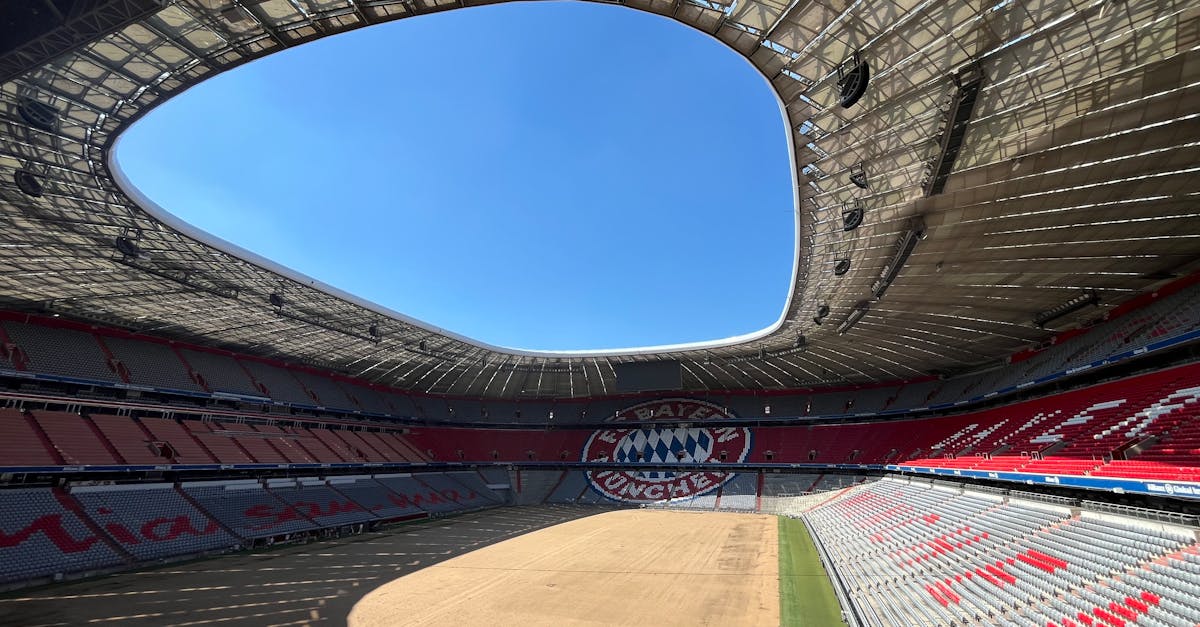
Each stadium will offer a unique fan experience. Some venues, repro_rakuten cup like those in Mexico City, have a rich history, while others are state-of-the-art modern arenas. Researching stadium-specific rules, bag policies, and food/drink options in advance can enhance your visit. This preparation is more involved than attending a single, familiar venue. Understanding the local culture surrounding football, perhaps by looking at results from repro_ket qua vong loai world cup 2018 khu vuc nam my, can also enrich the experience.
5. Ticket Acquisition Strategy: Beyond the Official Ballot
Navigating major North American cities like Dallas, Atlanta, or Mexico City can be daunting. Relying on ride-sharing services or taxis for every journey will become prohibitively expensive and time-consuming due to traffic. Public transportation systems, where available and efficient, are the superior option. This is a stark contrast to some European World Cups where city centers are more compact and walkable. Familiarize yourself with the local transit maps and ticketing systems before you arrive. Some cities may offer tournament-specific travel passes.
The average distance between the most distant host cities in North America is significantly greater than in previous World Cups, demanding a robust travel strategy.
6. Budgeting: The Hidden Costs
Securing accommodation early is critical. While hotels in host cities will be at a premium, exploring alternatives like Airbnb or even staying in surrounding, well-connected towns can offer cost savings. This approach contrasts with smaller, single-city World Cups where accommodation options might be more limited but also more geographically focused. Researching the public transport links from potential alternative locations back to the stadiums is key. Do not underestimate the demand; book at least 9-12 months in advance.
7. Stadium Experience: Local Nuances
Familiarize yourself with the safety considerations for each host city. While North America is generally safe for tourists, being aware of your surroundings, especially in crowded areas or during late-night travel, is essential. This is a universal travel tip, but it is amplified by the large crowds and international nature of the World Cup. Consult official travel advisories for each country and city you plan to visit.
8. Safety and Security: Local Awareness
The vast distances between some host cities necessitate careful planning for inter-city travel. While flights are often the quickest, they come with higher costs and airport hassle. Train travel, particularly in certain corridors (e.g., Northeast US), offers a more relaxed experience but can be significantly slower. Driving is generally not recommended due to parking costs, traffic, and the sheer distances involved, unlike more compact European venues. Comparing flight prices early and considering regional flight hubs can save considerable expense.
9. Embracing the Local Culture
Beyond tickets and travel, budget for food, local transportation, merchandise, and unforeseen expenses. North American cities can vary wildly in cost of living. A meal in Los Angeles will likely cost more than in a smaller Mexican city. Researching average daily costs for each city on your itinerary will help prevent budget overruns. Consider the cost of souvenirs and 'best goals highlights' merchandise as part of your overall spending plan.
Honorable Mentions
Visa Requirements: Ensure all necessary travel documents are in order well in advance, comparing requirements for each country. Language Barriers: While English is widely spoken in Canada and the US, learning basic Spanish phrases will be beneficial for Mexico. Connectivity: Research local SIM card options or international data plans for seamless communication. Emergency Contacts: Keep local emergency numbers readily accessible.
Browse by Category
- Repro_trang Chu Docbao
- Repro_seria Tam Quoc Chi
- Repro_nhung Hau Ve Tre Hay Nhat The Gioi Hien Nay
- Repro_le Nhdt Quang
- Repro_u19 Vn U19 Thai Lan
- Repro_bong Dal Miura
- Repro_vdn Mai Hddng Bd Hack Cam
- Repro Trdn Qudc Khdn Phim Va Chddng Trinh Truydn Hinh
- Repro_shaco Dtcl
- Repro Ao Phdng Co Md
- Repro_8 Phut Moi Ngay De Co Co Bung Dep
- Repro_ninja 400
- Repro_vl World Cup 2018 Khu Vuc Chau Au
- Repro_ao Real Madrid Tay Dai
- Repro_tin Tuc Viet Nam Va The Gioi 24 Gio Qua
- Repro_chuyen Nhuong Liverpoolmu
- Repro_tigers Dota 2
- Repro_b0g
Sources & References
- Sports Business Journal — sportsbusinessjournal.com (Sports media industry analysis)
- Broadcasting & Cable — broadcastingcable.com (TV broadcasting industry data)
- Nielsen Sports Viewership — nielsen.com (Audience measurement & ratings)