exploring 2026 world cup host nations - World Cup 2026 Stadiums: Legacy & Sustainability
Beyond the final whistle, explore the lasting legacy and sustainability plans for World Cup 2026 stadiums. Compare with past tournaments.
A common misconception is that stadiums built or upgraded for major tournaments, like the World Cup 2026, become white elephants once the final whistle blows. This narrative, often fueled by underutilized venues from past events, exploring 2026 world cup host nations overlooks the growing emphasis on legacy and sustainability in modern sports infrastructure planning. Unlike previous eras where the focus was purely on immediate tournament needs, today's approach integrates long-term community benefit and environmental consciousness from the outset.
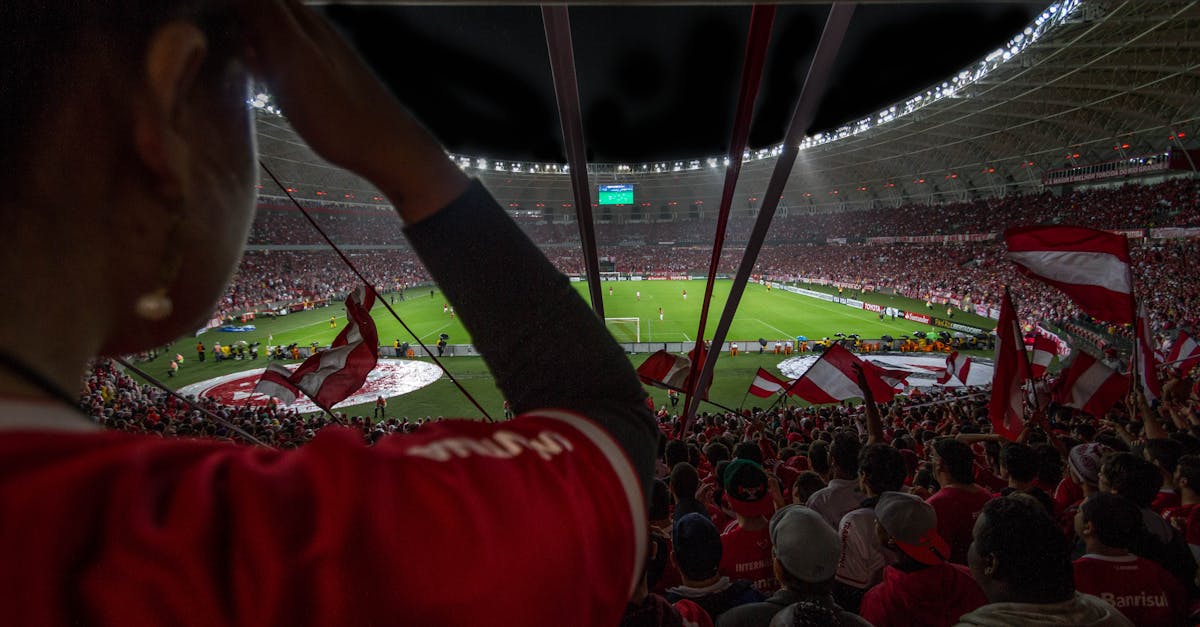
1. Comparing Venue Utilization Strategies
Historically, the economic boost from hosting major events was the primary justification for stadium construction. However, the discourse surrounding World Cup 2026 venues is more balanced, explicitly weighing economic benefits against the environmental footprint. This involves detailed life-cycle assessments, a practice less common in the planning for earlier World Cups. The goal is not just to build impressive arenas but to do so with minimal ecological impact, ensuring that the economic gains do not come at an unsustainable environmental cost.
2. Economic Impact vs. Environmental Footprint
The legacy of a World Cup extends beyond the physical structures. For World Cup 2026, there is a strong push for 'behind the scenes world cup broadcast production' that highlights community engagement. Stadiums are being envisioned as community hubs, offering facilities for local sports, education, and cultural events. This contrasts with older models where stadiums were primarily for elite sports, often isolating them from everyday community life. repro_link xem truc tiep ngoai hang anh The social legacy is now as critical as the sporting one.
3. Community Integration and Social Legacy
Modern stadiums for events like the World Cup 2026 incorporate cutting-edge technology for efficiency and fan experience, far surpassing earlier designs. This includes advanced energy management systems, water conservation technologies, and infrastructure ready for future innovations. While some historical NFL rivalries matches defined leagues with iconic venues, the current focus is on smart, sustainable infrastructure that can adapt and evolve, unlike static structures of the past. This technological edge enhances both sustainability and operational efficiency.
4. Technological Advancements in Stadium Design
Sustainability plans for World Cup 2026 venues place a strong emphasis on integration with public transportation networks. premier league vs la liga performance This aims to reduce carbon emissions from fan travel. This is a more develo strategy than seen in many past tournaments, where reliance on private vehicles was often higher. Efficient public transit access is crucial for minimizing the event's environmental impact, a lesson learned from the logistical challenges of earlier large-scale events.
5. Re-use of Existing Infrastructure
The energy strategy for World Cup 2026 venues focuses on maximizing energy efficiency and incorporating renewable energy sources. This may include solar panels and smart grid technology. This is a significant advancement from earlier tournaments where the energy demands were met with less focus on green alternatives. The aim is to reduce the carbon footprint associated with powering these large facilities.
6. Public Transportation Integration
Robust waste management and recycling programs are integral to the World Cup 2026 sustainability framework. This includes comprehensive strategies for reducing, reusing, and recycling materials throughout the stadium's lifecycle, from construction to operation. This level of detail in waste management planning surpasses the efforts of many previous World Cups, where such initiatives were often less formalized or prioritized.
7. Waste Management and Recycling Programs
Water conservation is another critical pillar of the sustainability plans. World Cup 2026 venues are implementing advanced water-efficient fixtures, rainwater harvesting systems, and drought-tolerant landscaping. This proactive approach to water management is essential, particularly in regions facing water scarcity, and represents a more sophisticated strategy compared to the less stringent water policies of past tournaments.
The commitment to sustainability for World Cup 2026 is not merely a trend, but a fundamental shift in how major sporting events are planned and executed, aiming for a positive long-term impact.
8. Water Management and Conservation
Ultimately, the legacy and sustainability plans for World Cup 2026 stadiums are designed to ensure their long-term operational viability. By focusing on community integration, multi-use potential, and efficient resource management, these venues are positioned to be valuable assets for decades, rather than costly burdens. This forward-thinking approach contrasts with the challenges faced by some stadiums from earlier tournaments that lacked a clear post-event purpose.
9. Energy Efficiency and Renewable Sources
The sustainability plans for World Cup 2026 venues differ significantly from those of past tournaments. For instance, the Spain golden era Euro 2008 launch saw many stadiums benefit from upgrades that extended their lifespan and community use. However, World Cup 2026 is placing an unprecedented emphasis on multi-use facilities that can serve diverse needs post-tournament, rather than single-sport arenas. This contrasts with some older venues that struggled to find a consistent purpose, unlike the proactive planning seen with modern infrastructure projects. This shift ensures a more robust legacy.
Statistical projections indicate that venues employing advanced sustainability measures can reduce operational carbon emissions by up to 30% compared to conventional stadium designs.
10. Long-Term Operational Viability
A key sustainability strategy for World Cup 2026 is the prioritization of upgrading existing stadiums over constructing new ones, where feasible. This approach minimizes new construction waste and leverages established infrastructure. This is a significant departure from tournaments that relied heavily on building entirely new venues, many of which later faced underutilization. This measured approach contrasts sharply with the rapid, large-scale construction seen in some previous bids.
Honorable Mentions
While not directly stadium-related, the broader initiatives impacting the World Cup 2026, such as the development of the 'top 5 fantasy football apps dominating league' and the anticipation surrounding potential future formats like a 48-team 'World Cup 2026' with expanded global reach, demonstrate the evolving landscape of football fandom and engagement. Furthermore, understanding the 'behind the scenes world cup broadcast production' is key to appreciating the technological and logistical efforts involved, mirroring the innovation seen in stadium design.
Browse by Category
- Repro_sao The Thao Chao Don Nam 2021
- Repro_lich Truc Tiep Wc 2018
- Repro_thay 5 Cau Thu
- Repro_gianluigi Buffon Bong Da 24h
- Repro_imola
- Repro_video The Thao 247
- Repro_uefa Champions League Winners
- Repro_sam Querrey
- Repro_mark Geiger
- Repro_bong Da Tay Ban Nha Toi Nay
- Repro_cat Toc Mua Dich
- Repro_xem Bong Da Truc Tuyen Online Nhanh Nhat
- Repro_trang Didm Con Trai
- Repro_xemvtc3
- Repro_bong Da Td Ld Ca Cddc
- Repro Nhung Pha Xu Ly Than Thanh
Sources & References
- SportsPro Media — sportspromedia.com (Sports media business intelligence)
- ESPN Press Room — espnpressroom.com (Broadcasting schedules & data)
- Digital TV Europe — digitaltveurope.com (European sports broadcasting trends)
Explore More Topics (15)
- History London Amateur Football Leagues
- Repro_ket Qua Bong Da Tay Ban Nha Hom Qua
- Bong Da_truc Tiep Freiburg Ii Stuttgarter Kickers Lm1657194735
- Repro_minh Beo Di Tu
- Roma Vs Fiorentina
- Repro_nhdng Kenh Trdc Tidp Bong Da Hdm Nay
- Live Football Results For The English Championship League
- Key Player Injuries Team Performance Impact
- Goalkeeper Records Toughest Champions League History
- Never Miss A Goal Setting Up Real Time Sports Alerts On Your Phone
- Repro_sang Gia
- Var Technology Explained
- Repro_bet168 Com Vn
- Deep Lying Playmakers Sweepers Roles Game Control
- Passion Indonesian Football Fans