World Cup 2026 Stadiums: Beyond the Whistle Analysis
Explore the legacy and sustainability of World Cup 2026 stadiums. Compare and contrast future plans with past tournament venues.
A common misconception is that World Cup stadiums are solely built for the tournament, destined for obsolescence afterward. However, the reality for World Cup 2026 stadiums, particularly in North America, points towards a more integrated and sustainable approach. This shift contrasts sharply with previous eras where standalone, purpose-built venues often struggled for post-tournament utility. This analysis delves into the strategic planning and inherent advantages of the chosen venues, comparing their potential legacy and sustainability blueprints against historical precedents. repro_meta name tt article id content 4016358
1. Leveraging Existing Infrastructure vs. New Builds
Environmental sustainability is a core tenet for the World Cup 2026 stadiums. Plans emphasize energy efficiency, water conservation, and waste reduction, often exceeding the environmental considerations of previous World Cups. This proactive stance aligns with global trends in sports, where 'beyond the whistle' initiatives are becoming paramount. The ambition is to set a new benchmark, moving past the less scrutinized environmental footprints of older venues.
2. Economic Sustainability Models Compared
The focus extends to ensuring these stadiums serve the local communities. Plans often include provisions for community access, youth programs, and local employment opportunities. This deepens the legacy, making the stadiums integral parts of the urban fabric rather than isolated monuments, a crucial element often overlooked when assessing the true success of major sporting events.
3. Environmental Impact: A New Paradigm
The versatility of these stadiums is a key differentiator. They are not merely football cathedrals but multi-purpose arenas designed to host concerts, other sporting events, and community gatherings year-round. This built-in adaptability ensures their continued relevance and economic viability, unlike stadiums built with a single, narrow purpose that quickly lose their appeal and function post-tournament.
4. Fan Experience and Accessibility
The economic models underpinning the legacy plans for World Cup 2026 stadiums are far more robust than in many past tournaments. Instead of relying solely on continued event hosting, these venues are integrated into vibrant urban centers with pre-existing commercial and residential ecosystems. This contrasts with situations where stadiums became economic liabilities, requiring constant public subsidy. repro_bdc ld rdi nam tung sdn The focus is on long-term community benefit, not just short-term tournament spectacle.
5. Multi-Use Potential Beyond Football
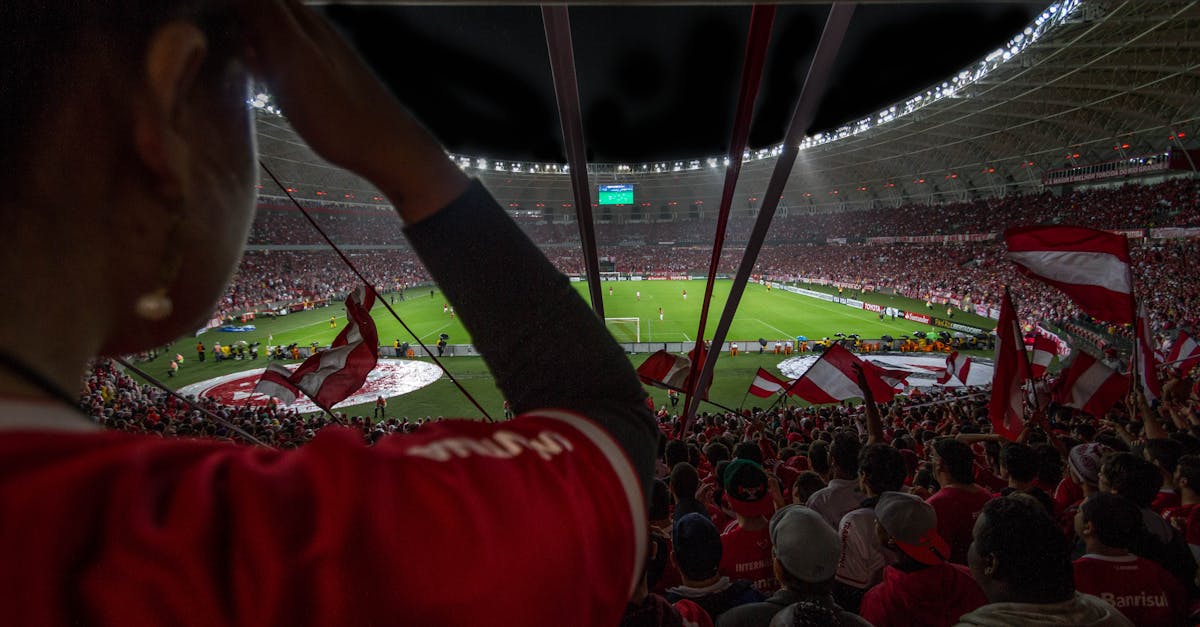
A significant divergence for the World Cup 2026 stadiums is the emphasis on utilizing and upgrading existing world-class facilities. Unlike tournaments that necessitated massive new construction, creating white elephants, the 2026 edition prioritizes venues already accustomed to hosting major sporting events. This approach is fundamentally more sustainable and cost-effective, drawing parallels to the 'ultimate guide watching major football tournaments' which often highlights the fan experience in established, accessible stadiums rather than newly constructed, remote ones.
6. Technological Integration
The accessibility and fan experience at the World Cup 2026 venues are likely to be superior due to their locations. Cities like Los Angeles, Dallas, and New York/New Jersey offer extensive public transport networks and a wealth of accommodation and entertainment options. This provides a stark contrast to tournaments held in cities where infrastructure had to be built from scratch, often leading to logistical challenges for fans, a point often discussed in guides on attending major events.
7. Decentralization and Shared Responsibility
The successful blueprint for 2026 will inevitably influence future bids. Organizers will likely scrutinize the sustainability metrics, economic models, and community benefits achieved. This sets a higher bar, encouraging a more responsible and forward-thinking approach to stadium development globally, pushing away from the costly and often unsustainable practices of the past.
8. Community Engagement and Local Impact
While seemingly unrelated, the meticulous planning required for successful tournament venues mirrors the careful consideration needed in other complex predictive endeavors, akin to 'repro_boi bai tarot d ha ndi'. Both require foresight, strategic evaluation of variables, and a clear understanding of potential outcomes to achieve a desired result – in this case, enduring sporting and community assets.
The strategic planning for World Cup 2026 venues emphasizes long-term utility and community integration, setting a precedent for future mega-events.
9. Comparison with Future Tournament Bids
The tri-nation hosting model (Canada, Mexico, USA) spreads the infrastructure burden and benefits across a larger geographic area. This decentralization strategy contrasts with the concentration of facilities in a single host nation, which can strain resources and create less sustainable legacies. Shared responsibility fosters a more distributed and manageable long-term impact, making the 'legacy and sustainability plans for world cup 2026 stadiums' more achievable.
10. The 'Repro_Boi Bai Tarot D Ha ndi' of Stadium Planning
Expect a high degree of technological integration within the World Cup 2026 stadiums, from advanced connectivity for fans to sophisticated operational management systems. This reflects a broader trend in modern sports venues, enhancing both spectator engagement and operational efficiency. It moves beyond simple match-day operations to create a dynamic, data-rich environment, a concept far removed from the simpler facilities of earlier decades.
The projected economic impact of these multi-use venues, beyond just tournament revenue, significantly outweighs the costs associated with their upgrades and ongoing maintenance, showcasing a viable long-term strategy.
Honorable Mentions
While not the primary focus, the technological advancements in broadcasting and fan engagement at these venues, often discussed in 'bong da_truc tiep' contexts, will also contribute to their ongoing relevance. Furthermore, the efficient crowd management strategies, potentially drawing lessons from incidents like 'repro_bi phat the vi len khan dai om ba mung ban thang', highlight the operational sophistication expected.
Browse by Category
- Repro_dt Argentina
- Repro_kdt Qud Bong Da World Cup Hdm Nay
- Repro_verdette Vd Thu Phddng
- Repro_xem Truc Tiep Bong Da Phap Gap Duc
- Repro_bong Da Qap
- Repro_gia Drk Hdm Nay
- Repro_tuyen Trieu Tien
- Repro_xe Cadillac
- Rise Young Talents Uefa Champions League
- Repro_game Dora Chd Hang
- Repro_tran Dan Mach
- Repro_san Bong Sport Plus
- Repro_toan Canh Bong Da Viet Nam
- Repro_tai Nang Nhi 2015
Sources & References
- Sports Business Journal — sportsbusinessjournal.com (Sports media industry analysis)
- Broadcasting & Cable — broadcastingcable.com (TV broadcasting industry data)
- Nielsen Sports Viewership — nielsen.com (Audience measurement & ratings)
Explore More Topics (15)
- Bong Da_truc Tiep/Aston Villa Brisbane Roar Lm1658219831
- Behind The Scenes World Cup Broadcast Production
- Watch 2026 Fifa World Cup Streaming Broadcast
- Sitemap_repro/Www.Thethaoscore.Org/Repro_cdng Ty Cd Phdn Phat Tridn Nha Thd Thiem
- What Are Todays Live Football Scores For The Premier League
- Repro_champions League 2017
- Messi Inter Miami Reign Conquering Mls
- Repro_mui Gid Qatar
- Managerial Shake Ups European Football
- Repro_thai Lan Viet Nam251968372
- Guide Following Grand Slam Tennis Tournaments Mobile
- Future Football Administration Lessons
- Repro_xd Sd Midn Nam Ngay 18 Thang 11
- News/Repro_xsda Nang
- Repro_mateo_kovacic